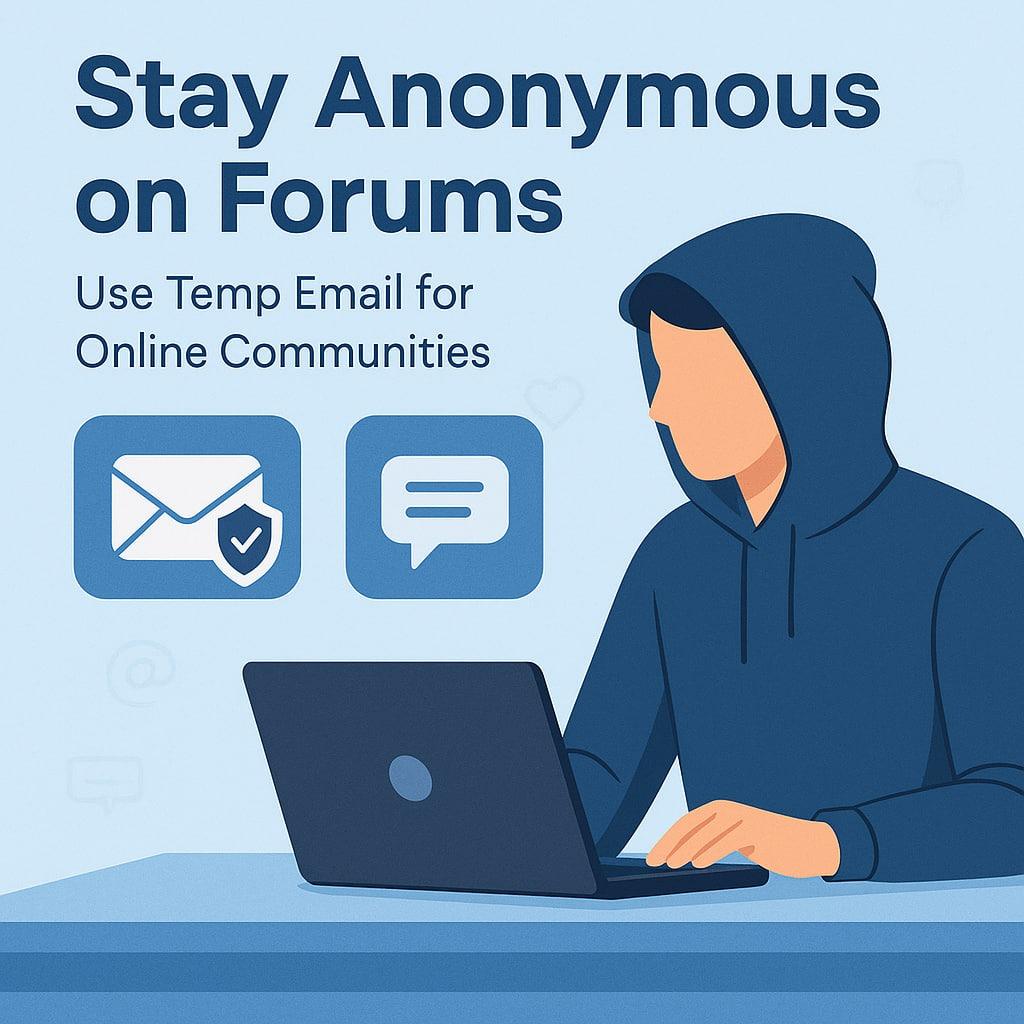
Creating a Temporary Email Address: What You Need to Know
Consider using a temporary email service to protect your online privacy. With many websites requiring email addresses for access, it's easy to accumulate spam over time. A temporary email address offers a simple solution, allowing you to receive communications without revealing your personal information. Numerous platforms provide temporary email options. Services like TempMail and Guerrilla Mail generate unique email addresses that expire after a predetermined period. These addresses enable you to register for sites and receive confirmation emails without cluttering your primary inbox. Convenience and anonymity are just a few clicks away Temporary Email. Before using a temporary email, double-check the service's reliability. Some might not support attachments or could delete emails after a short time. Always use trusted platforms to safeguard against potential phishing attempts. By making informed choices, you can streamline your online activities while minimizing unwanted distractions. Temporary Email Use temporary email services to protect your privacy and reduce unwanted spam. These services provide disposable email addresses that can be used for registration and verification without revealing your personal information. After you receive the required emails, the temporary address expires, ensuring that your primary inbox stays clutter-free. Popular services include Guerrilla Mail, Temp Mail, and 10 Minute Mail, which each offer unique features like extended lifespan for inboxes or additional privacy options. Choose a service based on your needs. If you frequently sign up for newsletters or software trials, a service with a longer validity period might suit you best. For one-time registrations, a quick address with a lifespan of 10 minutes should suffice. Be mindful that not all websites accept temporary email addresses. Some restrict access for accounts created with disposable emails to prevent abuse. If you encounter such a limitation, consider using a personal email with aliases, which allows you to maintain privacy while still receiving emails from various sources. Temporary emails are beneficial for testing applications or accessing content without commitment. In these situations, use a temporary address to avoid revealing your primary email to unfamiliar platforms. Remain cautious about sensitive transactions. Temporary emails may not be suitable for important communications, as they may lack the security features and recovery options permanent addresses provide. For essential correspondence, stick to your primary email account. How to Create and Use Temporary Email for Online Registrations Choose a reliable temporary email service like Temp Mail, Guerrilla Mail, or 10 Minute Mail. Navigate to their website to access the temporary email address instantly. Copy the generated email address provided by the service. Use this address when registering on websites or signing up for newsletters, instead of your personal email. Receive verification emails and other correspondence directly in the temporary inbox. Check the inbox on the temporary email service site to confirm your account or access any important information. Use the temporary email for any registration that requires email verification, especially when you want to avoid spam in your primary inbox. After the desired action is completed, discard the temporary email. Most services automatically delete the inbox after a set period, typically ranging from 10 minutes to several hours, ensuring your privacy. Repeat this process whenever you need to sign up without risking your personal email. Keep in mind, some sites may block temporary emails, so it's wise to have a backup option. Best Practices for Managing Your Temporary Email Accounts Use separate temporary email accounts for different purposes. This way, you can effectively manage spam and organize messages based on interest or need, keeping your information tidy and secure. Regularly check the expiration dates of your accounts. Many temporary email services automatically delete accounts after a certain period. Set reminders to save any important information before it’s permanently lost. Limit personal information shared with these accounts. Provide only what's necessary while signing up for services. Protect your identity by avoiding sharing sensitive personal data that could be linked back to you. Utilize trusted temporary email providers. Research and choose services that prioritize user privacy and security. Check for user reviews to confirm reliability and email management features. Keep track of which email addresses you’ve used for sign-ups. Create a simple spreadsheet or document where you log the accounts, the services they’re linked to, and their expiration dates to avoid confusion. Migrate to a permanent address when needed. If you find a service that you genuinely want to continue using, transition to a permanent email to ensure you don’t lose access to important updates or communications. Be cautious with links and attachments in emails. Just because an email appears to come from a legitimate source doesn’t mean it’s safe. Always verify sender authenticity to avoid phishing attacks. Clear your inbox regularly. Delete unneeded messages promptly to streamline your account and prevent clutter. This practice also enhances your focus on relevant communications. Consider using an email client to manage multiple temporary addresses. This can streamline your workflow and allow easy access to different inboxes without constantly switching between accounts. Stay informed about your provider's terms of service. Understand how your data is handled and any limitations on message retention to make the most out of your temporary email experience. https://cdn.tempmailo.co/uploads/blog/f3d56f8c96bc576.jpg